Energy-Efficient Vertical Blinds: How They Help Newcastle Homes Stay Cool In Summer
Vertical blinds in Newcastle homeowners rely on do more than dress a window; the right fabric and slat width block radiant heat, cut glare and reduce reliance on air conditioning through summer.
For homes with large windows and sliding doors, vertical blinds offer one of the most practical ways to manage indoor temperature without sacrificing natural light. With Newcastle's mix of coastal breezes, exposed new-estate glazing and older homes with north or west-facing living areas, the right window covering makes a genuine difference to comfort and running costs.
How Do Vertical Blinds Improve Energy Efficiency in Newcastle Homes?
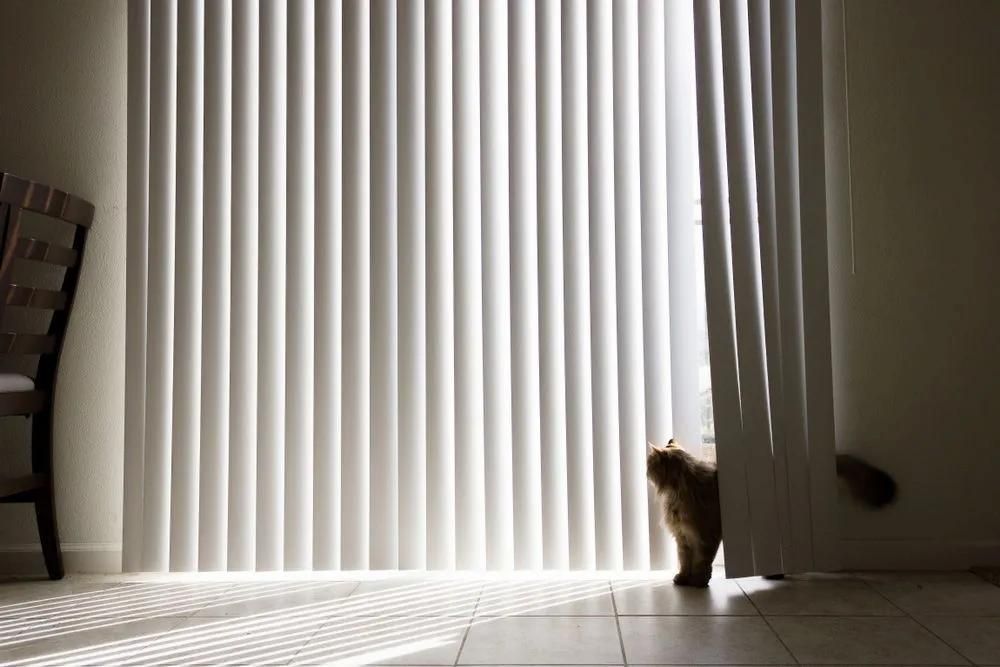
Newcastle summers bring long stretches of direct sun through west-facing windows and sliding doors, and this heat load pushes air conditioners to work harder than they should. Vertical blinds hang close to the glass, creating a buffer of still air between the fabric and the window pane. Adjustable slats let you angle the louvres to filter light while blocking direct sun, reducing the heat that reaches your furniture, floors and living spaces.
For example, a west-facing living room with a large sliding door can heat up quickly through the afternoon. Angling the slats to deflect direct sun, rather than opening or closing them fully, keeps the room usable without the air conditioner running constantly. In homes across suburbs such as Bar Beach and Merewether, where living areas often open onto a patio or deck through wide sliding doors, this kind of exposure is common.
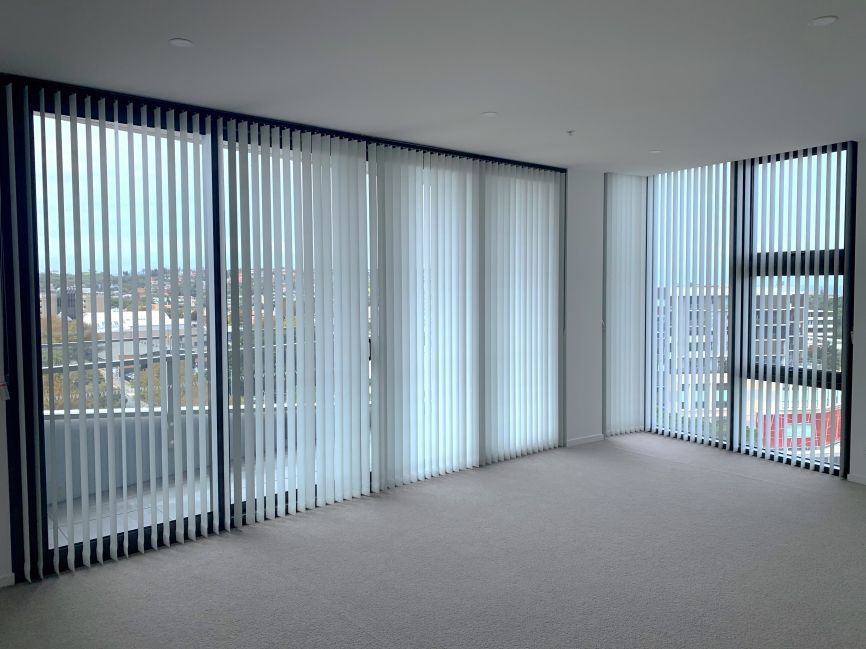
Because each slat tilts independently of being fully open or closed, you can let daylight in without letting the heat that travels with it flood the room. This makes vertical blinds a practical choice for large windows and sliding doors, where the surface area exposed to sun is greatest. Newer estate homes with floor-to-ceiling glazing benefit the most, since more glass means more opportunity for heat to enter or escape.
Can Vertical Blinds Help Reduce Cooling and Heating Costs Throughout the Year?
Yes, vertical blinds work in both directions:
- Summer: closed or angled slats block solar heat gain before it enters the room
- Winter: drawing the blinds at night adds a layer of insulation between the window and the room, helping retain the warmth your heating generates
- Year-round: less reliance on heating and cooling means less strain on both systems
The result isn't a single seasonal benefit but a year-round reduction in how hard your heating and cooling systems need to work, though the exact savings will depend on your window size, orientation and fabric choice. A north-facing home office that overheats in the afternoon and cools too quickly overnight is a common example of a space that benefits from both ends of this equation.
Unlike structural upgrades such as double glazing or eave extensions, vertical blinds are a straightforward addition to an existing home. They suit renters and owners alike, since they install onto an existing track or window without any structural changes, making them a practical option for improving comfort without a full renovation.
Which Fabrics and Finishes Offer the Best Thermal Performance for Hot Summers?
Not all vertical blind fabrics perform the same way in the heat:
- Blockout fabric – the strongest barrier against direct sun, best suited to west-facing windows and rooms that overheat quickly
- Light-filtering fabric – reduces glare and heat transfer while still allowing natural light through, suited to living areas
- Pale or reflective colours – reflect more radiant heat than dark shades, worth considering for rooms that face the afternoon sun
- PVC or laminated finishes – add extra durability and moisture resistance, useful near sliding doors exposed to coastal humidity
Slat width also plays a role. Winning Blinds manufactures vertical blinds in 89mm and 127mm sizes, and wider slats generally provide better shading coverage for large openings such as sliding doors. According to industry best practice, pairing a blockout fabric with a lighter or reflective tone offers the most reliable thermal performance for north- or west-facing rooms, while light-filtering fabrics in similar tones suit rooms where retaining natural light matters more than full heat blocking.
How Do Vertical Blinds Compare to Other Window Coverings for Insulation?
Vertical blinds suit large windows and sliding doors particularly well, where other window coverings have their own drawbacks:
- Curtains – can become bulky and heavy on large openings, and sit further from the glass, reducing their ability to trap insulating air
- Horizontal blinds – can struggle to cover the full width of a wide sliding door smoothly, and gaps between slats can let heat through at the edges
- Honeycomb or cellular shades – purpose-built for insulation, but less practical on oversized openings than vertical blinds
- Aluminium venetians – suit smaller windows well, but rarely scale to full-height sliding doors without excessive weight and cost
Because vertical blinds hang the full height of the window and draw across wide spans, they cover more glass area with less material bunching at the sides – a strong all-round option for warm Newcastle summers and cooler winter months alike. For homes with a mix of window sizes, it's common to pair vertical blinds on large openings with a different covering, such as honeycomb shades, on smaller windows where insulation matters more than coverage.
Getting the Right Fit for Your Home
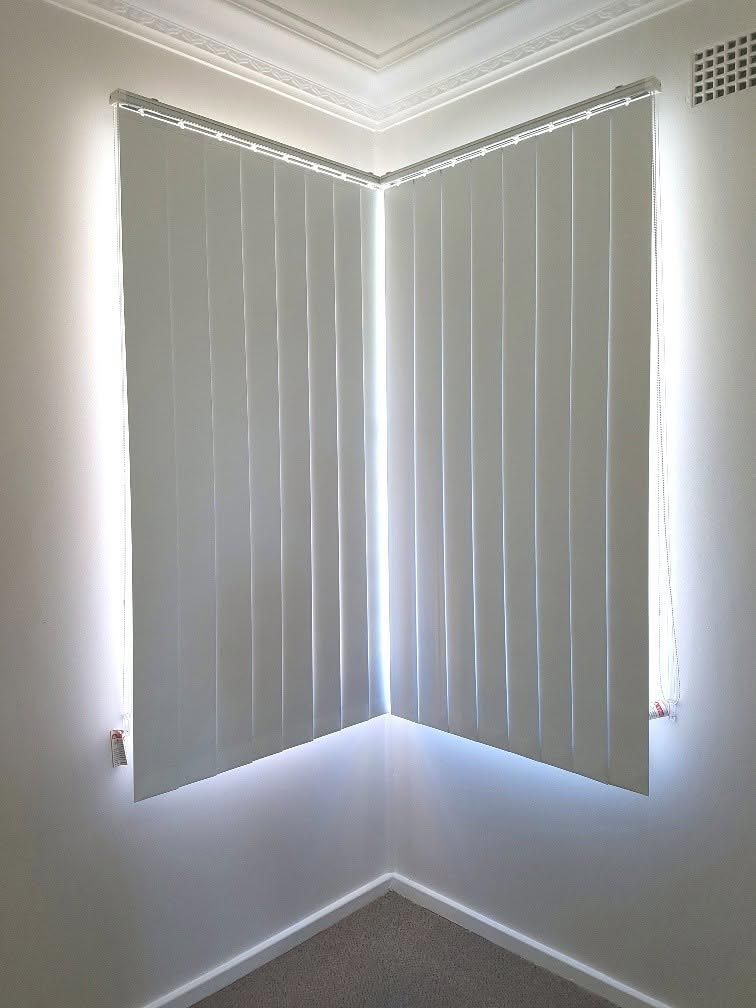
Thermal performance depends as much on an accurate fit as it does on fabric choice. Gaps around the edges of a blind let air – and heat – pass around it rather than through it, undoing much of the benefit. A custom measure and fit, tailored to your specific window or sliding door, closes these gaps and ensures the slats overlap correctly when drawn.
The Bottom Line
If you're renovating, building or simply looking to bring down your energy bills, vertical blinds are a straightforward upgrade that pays off through every Newcastle summer. Winning Blinds manufactures vertical blinds locally to your exact window measurements, with a range of fabrics and slat widths suited to Newcastle's climate.
Frequently Asked Questions
Do vertical blinds work well on Newcastle's exposed, sun-facing windows?
Yes. Vertical blinds suit large openings and handle direct summer sun effectively, particularly in a blockout fabric. They're a common choice for Newcastle homes with west-facing sliding doors and large glass walls.
Are vertical blinds better than curtains for reducing heat?
Vertical blinds sit closer to the glass, which improves their ability to trap air and block radiant heat, and they avoid the bulk of full-length curtains on large windows and sliding doors.
What slat width is best for energy efficiency?
Both 89mm and 127mm slats improve energy efficiency, though 127mm slats generally provide greater shading coverage on larger openings such as sliding doors, given their wider surface area.
Can I still get natural light with energy-efficient vertical blinds?
Yes. Tilting the slats lets you filter and control the level of light entering a room, so you can reduce heat without blocking out natural light altogether.
Where can I find vertical blinds near me in Newcastle?
Winning Blinds manufactures and installs custom vertical blinds across Newcastle, Hunter Valley, Lake Macquarie and Port Stephens, with a free measure and quote available for local homes and businesses.